Guides · Photography
How to prepare for a product photo shoot?
The RRRefresh Community team · 3 min read · Updated
Short answer
A good product shoot starts by deciding where the photos will be used: e-commerce, catalogue, menu, social media and ads each need different framing. Then a shot list is made, products are cleaned and prepared, a studio or location is chosen, light and styling are set on the day, and the photos are retouched and delivered in a size for every use. The price depends mostly on the number of products and shots, the location, styling and props, models and the level of retouching.
1. Where will the photos be used?
The same product needs different photos in different places. E-commerce needs plain backgrounds and every angle; catalogues and ads need atmosphere shots of the product in use; social media needs vertical frames and motion. Settling this list before the shoot lets you get everything you need in one day.
- E-commerce: plain background, front-back-side angles, details
- Catalogue and ads: product in use, atmosphere, lifestyle
- Menu: plates, ingredients and table setting
- Social media: vertical framing, short video and behind the scenes
2. Shot list and visual references
A shot list is a simple table of which product is shot from which angle on which background. Adding 3–5 references for colour, light and styling makes sure everyone aims for the same result on the day.
3. Prepare the products and the location
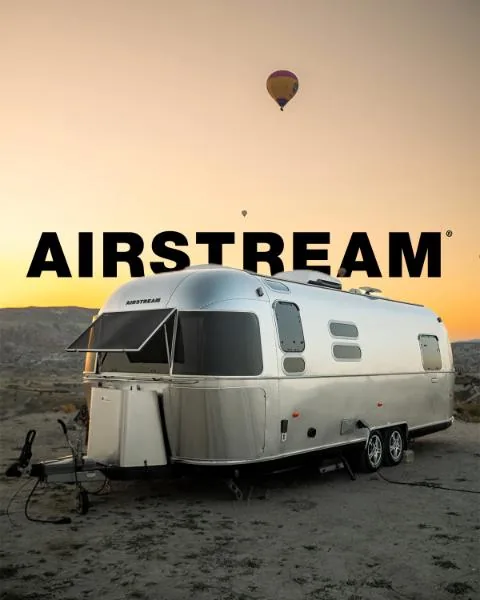
Every speck of dust, scratch and leftover label shows in a photo. Clean, pressed, label-free products cut retouching time sharply. For food, plates should be prepared at the moment of shooting; for cars, boats and venues, the hours with the best light should be planned in advance.
- Products clean and label-free
- Spare products (especially food and cosmetics)
- Backgrounds, props and styling items
- Light hours for location shoots
- Logo and brand colours
4. Studio or location?
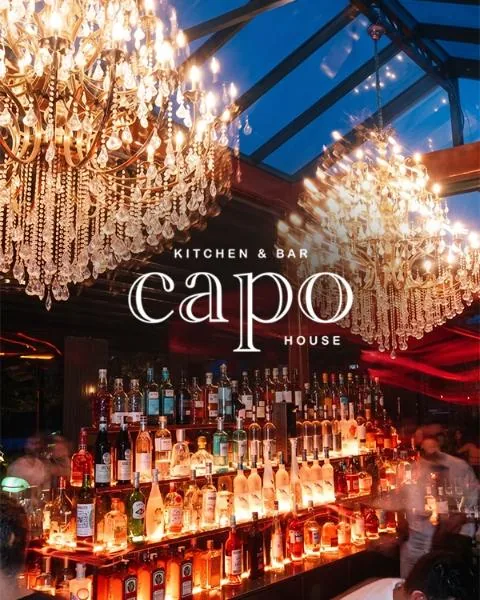
A studio gives full control of light and lets many products be shot quickly to one standard; it is ideal for e-commerce and catalogues. A location shoot shows the product in its real setting with its story; it works better for restaurants, automotive, marine and lifestyle brands. Many projects plan both.
5. Retouching and delivery
After the shoot the best photos are selected, colours matched and retouched. Delivery includes a size for every use: square, high-resolution files for e-commerce, vertical for social media, light files for the web. Usage rights should also be agreed in writing at this stage.
What drives the price?
Photography is quoted per project. These items move the quote most:
- Number of products and photos
- Location: studio, on site, out of town
- Styling and props, food stylist
- Models and wardrobe
- Retouching level and delivery sizes
- Same-day video and behind-the-scenes
Examples from our work

Frequently asked questions
How many products can be shot in a day?
It depends on the type of shoot. Plain-background e-commerce shoots can cover many products in a day; atmosphere and location shots need more set-up per frame, so the number drops.
Can photos and video be shot on the same day?
Yes. Shooting short videos and social cuts with the same light and styling set-up makes much better use of the budget.
Are product photos taken on a phone enough?
For quick social posts they can be. In catalogues, e-commerce and ads, light, colour accuracy and retouching directly affect sales.
Who owns the usage rights to the photos?
This should be set out in the quote and contract. The brand should agree the scope and duration of use for its own marketing from the start.