Guides · Brand identity
What does brand identity include?
The RRRefresh Community team · 3 min read · Updated
Short answer
Brand identity is made up of the logo, colour palette, typography, visual language, tone of voice and the brand guidelines that explain how to use them. The logo is only one part of the system. A good identity looks consistent everywhere the brand appears, from menus and catalogues to signage and social media. The process runs through discovery, creative direction, design and delivery; a logo and core identity usually take a few weeks, longer with applications.
A logo is not the same as a brand identity
The logo is the brand's signature; the identity is the whole system around it. The same logo used with the wrong colours, random typefaces and a different photo style every time makes a brand look scattered. An identity project makes these decisions once, deliberately, so everyone applies them the same way.
The parts of a brand identity
- Logo and mark: primary logo, horizontal/vertical versions, a symbol for small sizes
- Colour palette: primary and secondary colours with print (CMYK, Pantone) and digital (RGB, HEX) codes
- Typography: headline and body typefaces, sizes and rules
- Visual language: photo and video style, graphic elements, icons, patterns
- Tone of voice: how the brand speaks; warm, corporate or playful
- Brand guidelines: the document that explains all the rules with do and don't examples
- Applications: business cards, menus, catalogues, packaging, signage, web, social templates
How the process works
- DiscoveryThe brand's story, audience, competitors and where it will be used are reviewed.
- Creative directionA few different directions are presented with visual references, so choosing is easy.
- DesignThe logo, colours, typography and sample applications are developed in the chosen direction.
- Delivery and roll-outGuidelines and all files are delivered and the first applications are put into use together.
You only know whether an identity works when it is applied. That is why it matters to test it in real use, on shoots, social media and print, right after it is designed.
Signs an identity needs refreshing
- The logo is unreadable at small sizes, on a phone screen or as a profile picture
- Colours and typefaces are chosen again for every new job
- The brand has grown or opened new products or branches but still looks the same
- It gets confused with competitors or does not reflect the brand's quality
- Print and digital work look different from each other
A refresh does not always mean starting from zero. Simplifying the existing logo and building a consistent system around it is often enough to keep recognition.
Files you should receive
- Every version of the logo: vector (AI, SVG, PDF) and web (PNG, SVG)
- Colour codes (CMYK, Pantone, RGB, HEX)
- Typeface details and licence notes
- Brand guidelines (PDF)
- Ready templates: social media, presentation, business card
What drives time and budget?
Scope sets the budget: only a logo or a full system, how many applications, whether naming and a tagline are included, and whether special applications such as packaging or interiors are needed. A logo and core identity usually take a few weeks, longer with applications.
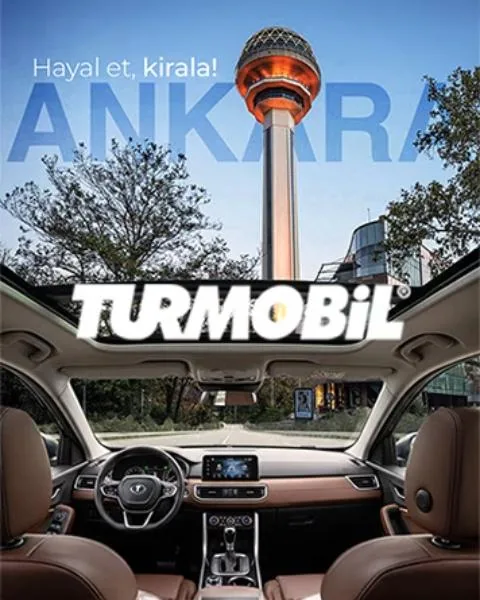
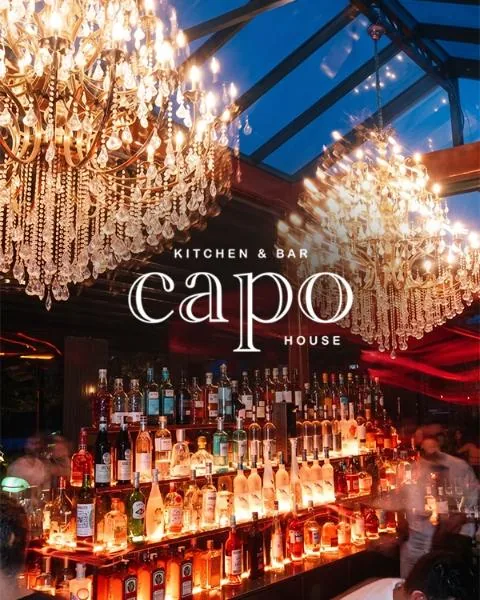
Examples from our work

Frequently asked questions
Can I order just a logo?
Yes, but a short guide with at least the colours, typeface and basic rules makes sure the logo looks right everywhere it is used.
Can you refresh my existing logo?
Yes. We can simplify it while keeping recognition, or propose a new identity if needed.
Why do I need brand guidelines?
They make sure everyone who applies the brand, an agency, a printer, a sign maker or a new employee, makes the same decisions, and stop the design debate from restarting on every job.
What is a brand presentation catalogue?
A printed or digital catalogue presenting the brand's products, services and story to customers, dealers or investors, designed in the same visual language as the identity.